Key Takeaways
- Modern industries rely on logistics to transport sensitive, oversized, and high-value equipment safely and efficiently across complex operational environments.
- Healthcare, semiconductor manufacturing, infrastructure, aerospace, and energy sectors all depend on coordinated logistics to maintain continuity and avoid costly delays.
- Services such as specialised equipment transport, controlled handling, and installation coordination help support increasingly advanced industrial operations.
- Understanding the significance of logistics highlights how transport, packaging, and coordination quietly underpin the systems, services, and products that people depend on every day.
Introduction
Most people rarely notice logistics because it operates so seamlessly in the background. Equipment arrives on time, production lines remain operational, hospitals receive critical systems, and infrastructure projects continue without interruption. Yet behind these outcomes is an intricate orchestration of planning, coordination, and technical expertise quietly taking place in the background.
At Sin Chew Woodpaq, we see firsthand how deeply industries rely on structured logistics operations each day. From sensitive semiconductor machinery and medical systems to oversized industrial equipment, successful transportation involves far more than simply shifting cargo between points. It requires precision scheduling, engineered packaging, route optimisation, lifting synchronisation, risk mitigation, and exacting handling throughout every stage.
Understanding why logistics is important means recognising the role it plays in keeping industries operational, projects on schedule, and essential services functioning without disruption. In sectors where timing, safety, and equipment integrity matter, dependable logistics is the backbone of industrial certainty that supports business continuity and growth.
This article examines how logistics sustains critical industries and why coordinated transport and handling remain vital across modern operations.
Healthcare Depends on Timely and Secure Equipment Transport
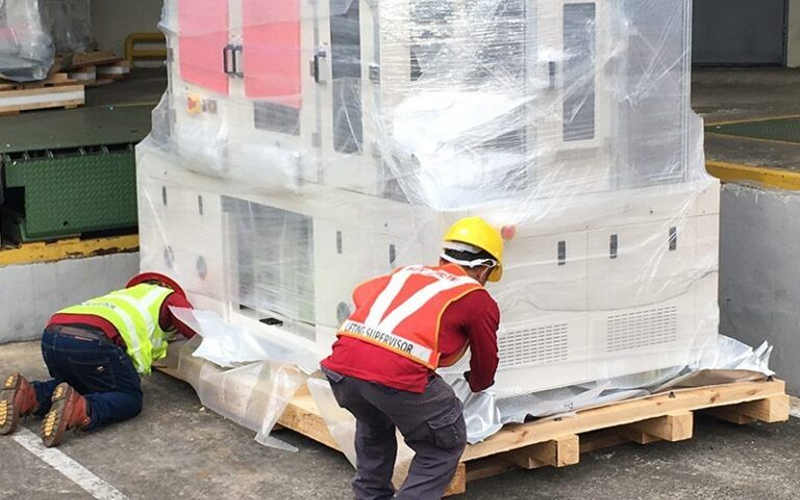
Hospitals, laboratories, and healthcare facilities rely on highly specialised equipment that must arrive safely, remain fully functional, and be ready for installation without avoidable delays.
Medical imaging systems, laboratory analysers, surgical equipment, and diagnostic machines are often extremely sensitive during transportation. Uncontrolled vibration, dust, or temperature fluctuations can compromise calibration, performance, and commissioning readiness. Even a single handling issue can cause operational setbacks in environments where reliability is critical.
This is where carefully managed industrial logistics solutions become essential. Transporting healthcare equipment involves far more than simply delivering cargo. Every stage, from protective packaging and route coordination to lifting operations and final positioning, requires controlled handling and meticulous planning.
Transport teams often operate within active healthcare environments, navigating narrow corridors, lifting into upper-floor facilities, and coordinating alongside ongoing medical operations and schedules.
Logistics becomes even more critical during hospital expansions, laboratory upgrades, or urgent replacements, where delays can directly affect testing capacity, treatment readiness, and wider healthcare services.
Behind every functioning healthcare facility is a carefully coordinated logistics operation that ensures essential equipment arrives securely, safely, and exactly when it is needed.
Semicon Manufacturing Needs Clean, Controlled Logistics
Semiconductor manufacturing operates within an environment where precision is critical.
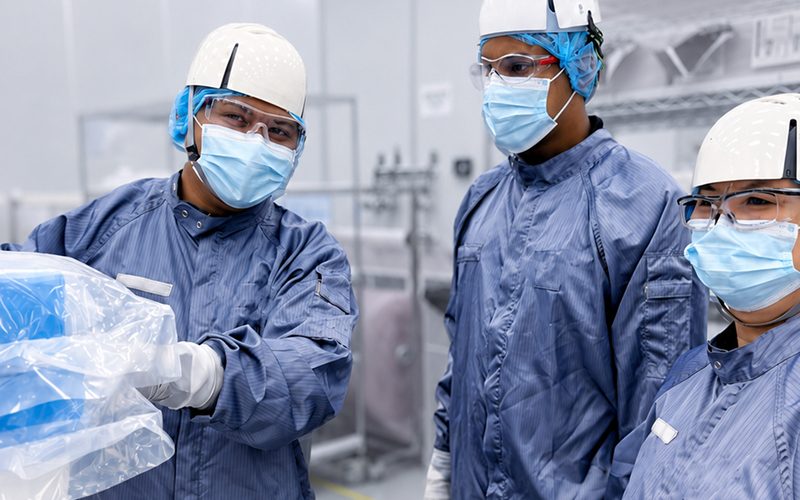
The machinery used in chip fabrication is highly delicate, extremely valuable, and transported across global supply chains before reaching cleanroom facilities. Environmental disruptions such as unmanaged vibration, humidity, static discharge, or sudden movement can compromise sensitive systems and delay installation readiness.
This is why semiconductor logistics requires highly controlled handling procedures and specialised operational coordination. Logistics teams must manage anti-static protection, humidity control, shock monitoring, vibration reduction, and custom crating solutions tailored for sensitive manufacturing systems. Every movement must be carefully planned to minimise unnecessary risk during transit and handling.
Timing is equally critical. Manufacturing facilities operate under tightly coordinated installation schedules involving engineers, contractors, facility teams, and cleanroom preparation. A delay in one shipment can cause broader operational disruptions and affect commissioning timelines.
Logistics providers also support on-site handling, unpacking, positioning, and relocation within controlled environments. This coordination demonstrates why logistics is vital in advanced manufacturing sectors where precision, equipment integrity, and scheduling reliability directly determine production readiness.
As semiconductor production expands worldwide, logistics increasingly supports the wider supply chain infrastructure driving technological development and industrial growth.
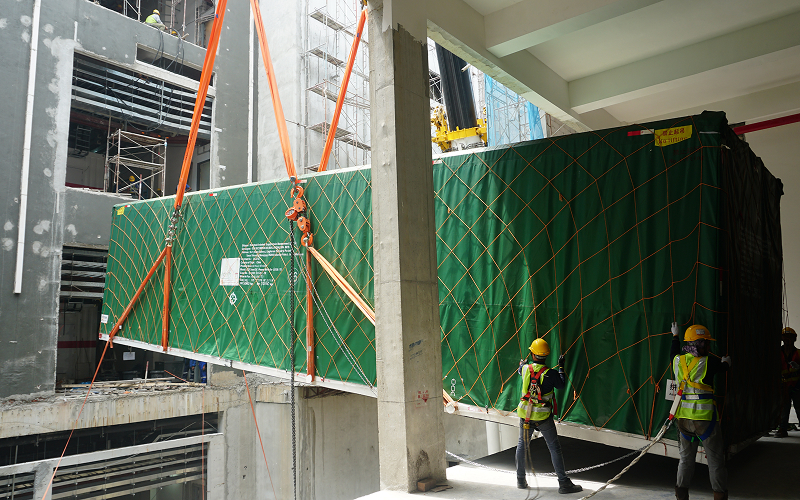
Infrastructure Projects Cannot Move Forward Without Heavy Equipment Logistics
Major infrastructure developments often begin long before visible construction is seen on-site.
Before roads, tunnels, rail systems, ports, power plants, or industrial facilities can move into active construction phases, large machinery and structural components must be transported securely and positioned accurately. This requires route assessments, permit coordination, lifting operations, delivery sequencing, and careful scheduling across multiple stakeholders.
Effective heavy equipment logistics helps keep large-scale projects progressing safely, efficiently, and on schedule.
Transporting cranes, tunnel boring machines, generators, industrial steel structures, or other oversized construction equipment presents unique handling challenges. Many of these assets are classified as out-of-gauge cargo, while some machinery can weigh well over 100 tonnes. Moving them safely requires specialised transport equipment, detailed lift planning, experienced rigging teams, and precise positioning at the final destination.
Even relatively small delays or handling issues can create wider project disruptions. Infrastructure schedules are often tightly interconnected, meaning late equipment arrivals or installation delays may affect contractors, construction timelines, labour coordination, and overall project costs.
The importance of logistics becomes even more evident when handling exceptionally large or heavy equipment. Every stage, from loading and transportation to heavy lifting, rigging, and final positioning, must be carefully planned to ensure equipment reaches its destination safely and is ready for the next phase of the project.
Reliable specialised equipment transport plays an essential role in helping infrastructure projects maintain momentum. With the right expertise in handling out-of-gauge and heavy equipment, logistics teams help minimise downtime while supporting safe and efficient project execution across large industrial and construction environments.
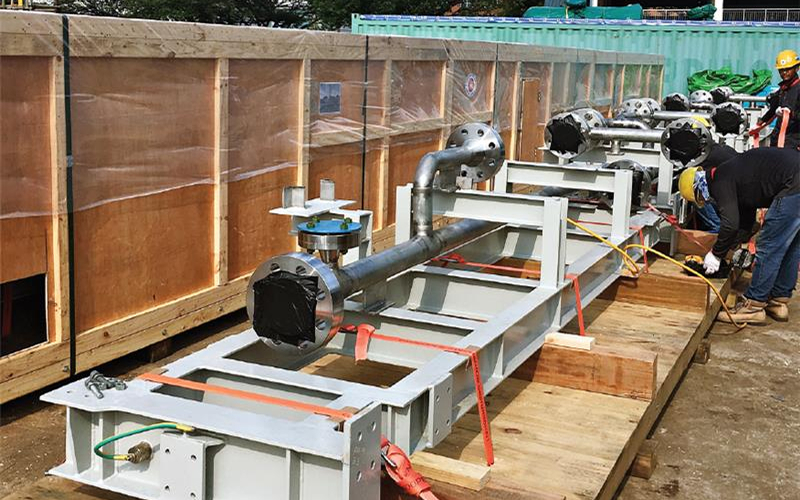
Energy and Utilities Depend on Logistics for Continuity and Expansion
Power generation facilities, utility networks, and energy infrastructure rely heavily on coordinated logistics operations to maintain uninterrupted essential services.
Whether transporting transformers, relocating turbines, supporting refinery shutdowns, or delivering renewable energy systems, logistics teams play a critical role in safely moving large, sensitive and complex equipment within regulated industrial environments.
This is especially evident within oil and gas logistics, where operations involve oversized cargo, remote sites, hazardous conditions, and strict compliance. Equipment movement demands precise planning, controlled handling, and close coordination across diverse teams.
Energy projects often operate within narrow maintenance or installation windows where timing is decisive. Equipment arriving late can disrupt electricity generation, industrial operations, or utility services that industries and communities depend on.
As renewable energy projects expand worldwide, the need for coordinated logistics support continues to grow rapidly. Wind turbine components, solar infrastructure systems, and energy storage equipment require specialised transport planning due to their scale, fragility, and installation complexity.
In many cases, logistics providers become long-term partners in maintenance, expansion, and infrastructure development rather than simple transport vendors. Their ability to coordinate movement across ports, staging areas, warehouses, and installation sites demonstrates why logistics is vital within industries where operational continuity and infrastructure reliability are critical.
Although much of this work happens behind the scenes, logistics directly supports the energy systems that industries and communities rely on daily.
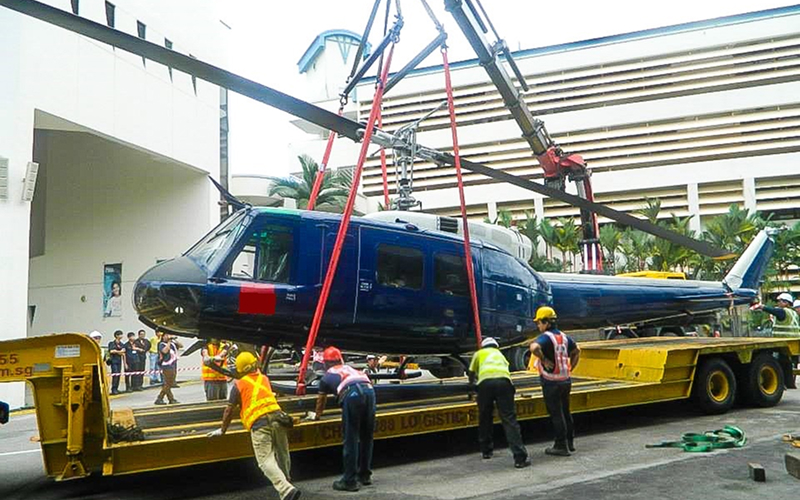
Aerospace Operations Rely on Precision Logistics Coordination
The aerospace industry operates within highly controlled environments where precision, timing, and equipment integrity are critical at every stage of operations.
Aircraft components, maintenance equipment, specialised tooling, and sensitive machinery require carefully managed transport to maintain compliance, traceability, and readiness. Even minor disruptions can ripple across maintenance schedules, production timelines, or installation planning.
This is why an experienced aerospace logistics provider is essential in supporting aerospace operations across global supply chains.
Many aerospace systems require custom crating, vibration-controlled handling, specialised lifting procedures, and detailed transport documentation at every stage of movement. Certain components contains highly sensitive calibration systems or valuable materials requiring environmental protection and controlled handling during transit.
The aerospace sector relies on international coordination. Equipment and components frequently move between manufacturing plants, engineering facilities, airports, maintenance centres, and operational sites across multiple countries. Maintaining tight schedules while ensuring cargo integrity requires global orchestration of logistics precision.
This operational complexity highlights why logistics is important within industries where precision, safety, and continuity directly affect day-to-day operations. Reliable logistics coordination helps aerospace organisations maintain efficiency while supporting the structured workflows of modern aviation and aerospace.
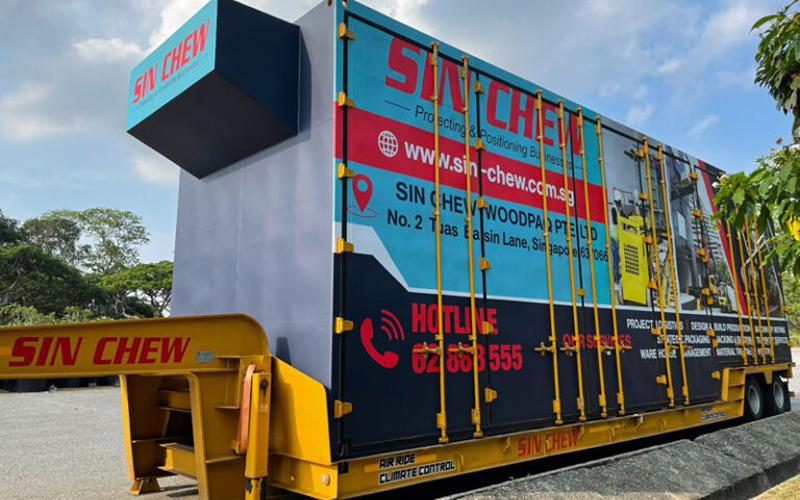
Everyday Products Still Depend on Invisible Logistics Networks
Most people rarely see the logistics operations that underpin everyday life, yet countless products, systems, and services rely on them constantly.
The shelves in supermarkets, the elevators in office buildings, the machinery in factories, and the infrastructure supporting transport and utilities all trace back to carefully coordinated logistics operations behind the scenes.
Before equipment or products enter daily use, they often move through warehouses, ports, staging facilities, and installation sites. Certain machinery requires custom packaging, controlled handling, lifting coordination, or staged relocation before becoming operational.
A reliable cargo logistics company serves as the hub connecting manufacturers, engineers, contractors, project owners, and operational facilities across industries.
This interconnected movement is part of a larger logistics ecosystem that supports healthcare, manufacturing, infrastructure, technology, utilities, transportation, and industrial development daily.
The importance of logistics is not always immediately visible because successful operations blend quietly into the background. Equipment arrives, facilities open, systems operate and daily life continues seamlessly.
Behind those outcomes, however, are logistics teams managing transport schedules, packaging requirements, permits, lifting operations, staging coordination, route planning, and installation support with precision and coordination.
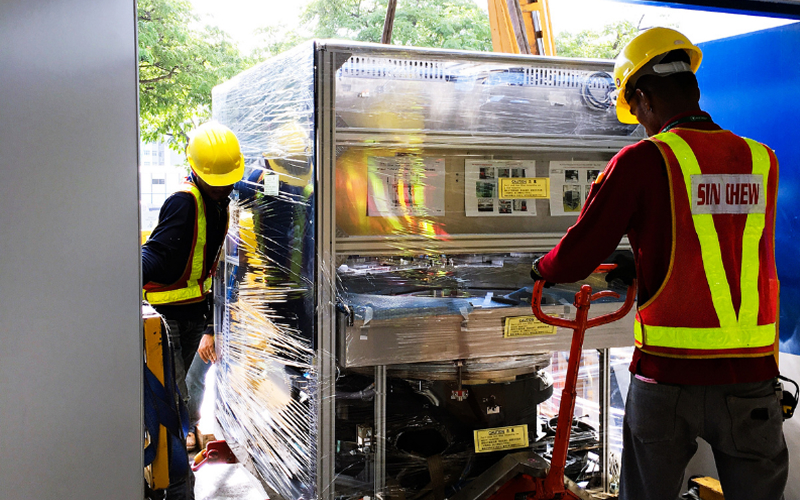
Logistics Supports Modern Progress Every Day
Understanding why logistics is important means recognising that modern industries rely on far more than production alone. Equipment must be transported safely, installations kept on schedule, and operations coordinated behind-the-scenes to keep everything moving smoothly.
From healthcare and semiconductors to infrastructure, aerospace, and energy, logistics helps industries maintain continuity, support expansion, and manage complex operational demands.
As industrial systems grow larger, faster, and more technologically advanced, logistics plays an even greater role in reducing disruptions, protecting critical equipment, and maintaining efficiency across interconnected supply chains.
At Sin Chew Woodpaq, logistics support is built around structured planning, engineered crating, controlled handling, and specialised transport orchestration for complex industrial environments. Whether moving sensitive manufacturing systems or oversized industrial equipment, every operation is approached with precision, safety, and continuity in mind.
Contact us today to discuss logistics solutions tailored to your operational requirements and discover how experienced industrial logistics coordination can support your next project with greater efficiency and reliability.