Key Takeaways
- Strong logistics efficiency depends on understanding the industries being served, not just moving equipment from one location to another.
- Active participation in industry events helps logistics providers stay informed about changing operational requirements and emerging technologies.
- Close engagement with manufacturers, engineers, and project teams supports better planning, risk management, and service delivery.
- Staying connected to sectors such as semiconductors, advanced manufacturing, and industrial engineering helps logistics providers deliver solutions that remain relevant as industries evolve.
Introduction
In specialised logistics, understanding an industry matters just as much as moving its equipment.
Industries such as semiconductors, precision engineering, and advanced manufacturing are constantly evolving. New technologies, tighter project schedules, and increasingly sensitive equipment continue to raise expectations for how logistics operations are planned and executed. As these environments become more complex, businesses often need logistics partners that understand the operational realities behind every project, not just the transportation requirements.
At Sin Chew Woodpaq, we believe strong logistics efficiency starts with staying connected to the industries we serve.
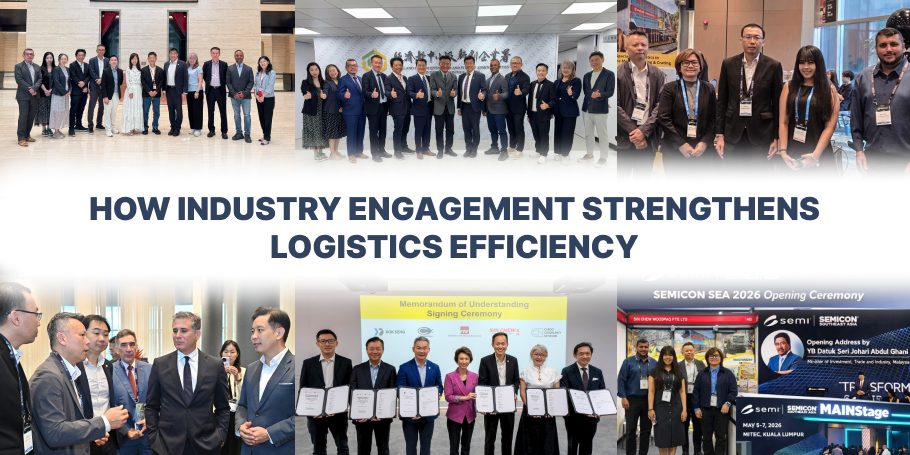
Through our participation in industry exhibitions such as SEMICON Southeast Asia, industry association engagements such as the Singapore Semiconductor Industry Association (SSIA) engagements, and oversea trade missions, we get direct, unfiltered exposure to the challenges shaping modern industrial projects. Conversations with manufacturers, engineers, equipment suppliers, and project teams at these events surface things that don’t always make it into a brief or a spec sheet — emerging technologies, changing facility requirements, installation constraints, new handling considerations.
From trade shows and networking sessions across Southeast Asia to technology showcases in Taiwan and long-standing partnerships in Singapore, here are five ways our ongoing regional involvement helps us better support the sectors we serve.
1. Industry Events Across South East Asia Create Direct Connections with the Sectors We Support
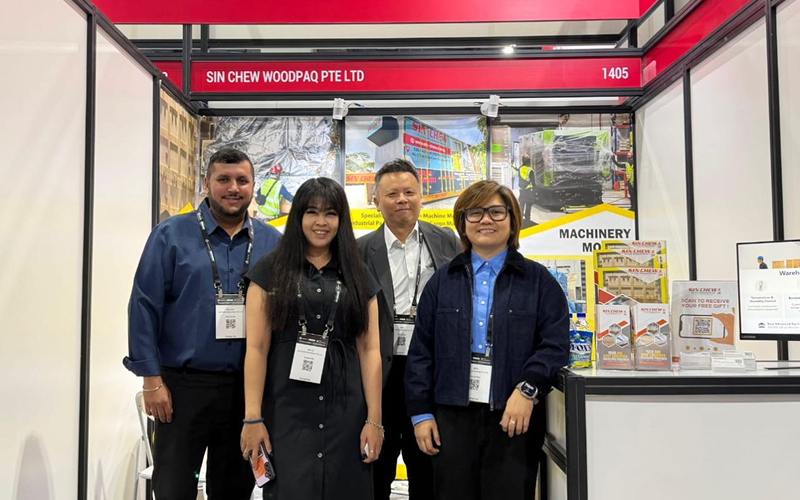
In 2026, Sin Chew Woodpaq exhibited at SEMICON Southeast Asia for the fourth consecutive year. Across the three-day exhibition, we welcomed more than 300 visitors to our booth, including manufacturers, engineers, equipment suppliers, project teams and other stakeholders involved in the semiconductor ecosystem.
These conversations gave us a clearer view of the practical issues businesses are managing on the ground. Discussions frequently covered equipment sensitivity, installation schedules, facility access, production downtime, machinery relocation and the coordination required between logistics providers, contractors and technical teams.
Our engagement also extended beyond the exhibition floor. We took part in networking sessions such as the SEMI Southeast Asia Members’ Breakfast Networking, the Singapore–Netherlands Networking Session and the SSIA–MSIA Networking Event.
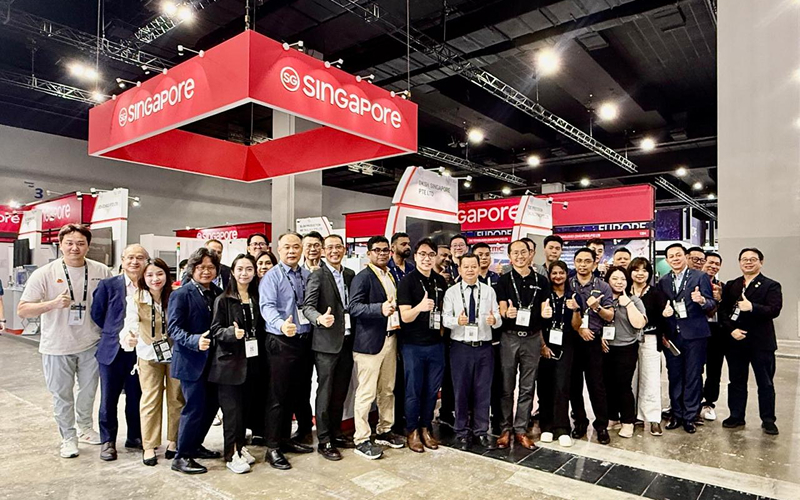
These settings created opportunities for more focused discussions about regional supply chains, manufacturing expansion and the changing requirements surrounding industrial equipment movements. They also helped us build connections with businesses and industry partners operating across different parts of the semiconductor and advanced manufacturing ecosystem.
By staying close to the people planning, supplying and operating these facilities, we gain earlier visibility into changing project expectations. This allows us to anticipate handling constraints, equipment protection requirements and coordination needs before work begins, helping us plan equipment movements more effectively and support stronger logistics efficiency throughout the project lifecycle.
2. Staying Close to Industry Developments in Taiwan Helps Us Deliver Relevant Solutions
Industry developments can quickly influence how specialised logistics projects need to be planned. Changes in equipment design, manufacturing technology, facility layouts and production priorities may affect packing requirements, transport conditions, storage arrangements and final positioning.
To maintain a broader view of these developments, Sin Chew Woodpaq participated in the Singapore Manufacturing Federation Business Mission to Taiwan in early June 2026. During the visit, our team attended COMPUTEX 2026, NVIDIA’s RTX Spark launch, the GTC Taipei keynote and exchanged insights with various local elite companies across industries.
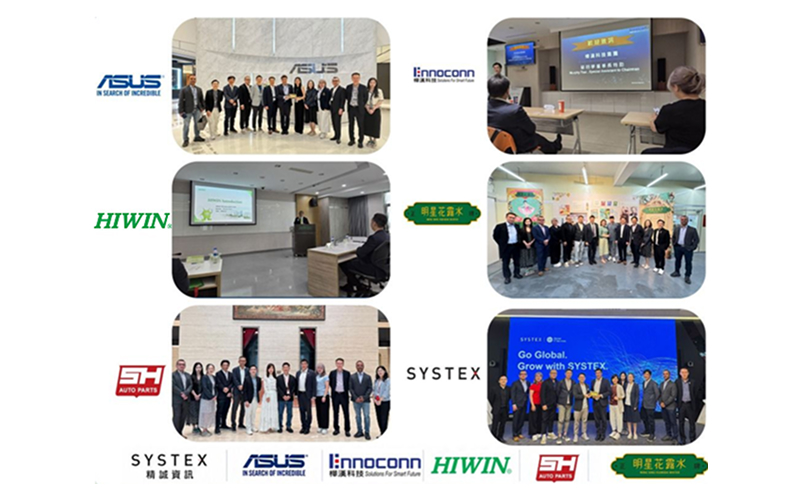
These events provided direct exposure to developments in artificial intelligence, advanced computing and next-generation manufacturing. As industrial systems become more powerful, connected and technically complex, the equipment supporting them may also become more sensitive, valuable and demanding to handle.
The mission also included engagement with organisations such as the Industrial Technology Research Institute, the Small and Medium Enterprise and Startup Administration, Hsinchu Science Park and Central Taiwan Science Park. These exchanges provided useful perspectives on regional industrial policy, technology development and the infrastructure supporting advanced manufacturing growth.
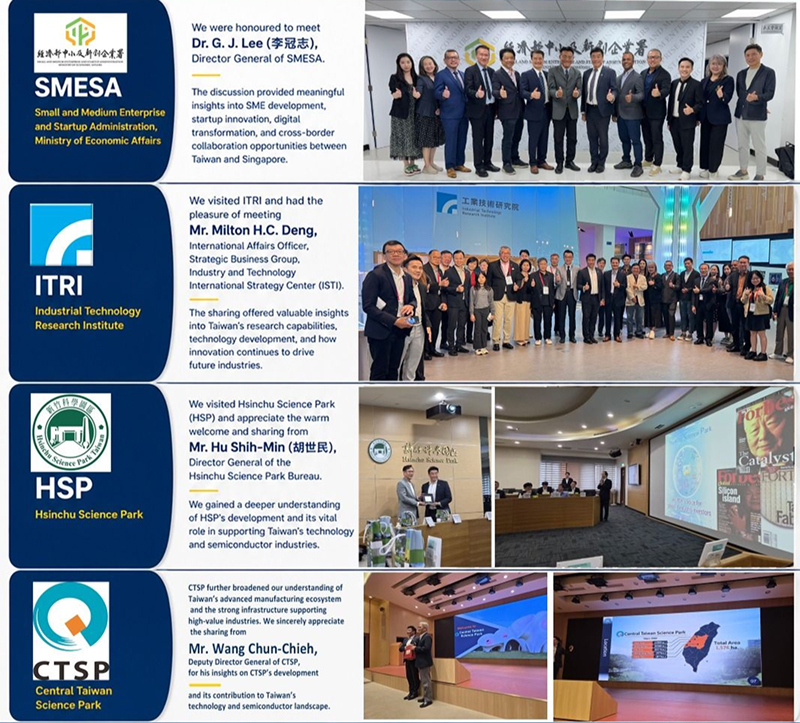
For semiconductor logistics providers, these developments are not abstract trends. They can influence equipment dimensions, contamination controls, vibration limits, installation sequences and the operating environments in which machinery must be delivered.
Staying informed helps us refine our planning approach and align logistics activities more closely with the technical and operational requirements of semiconductor manufacturing environments and other advanced manufacturing projects.
3. Industry Engagement in Singapore Strengthens Long-Term Relationships and Trust
In specialised logistics, strong working relationships are particularly important because complex projects often involve multiple parties, tight schedules and technical requirements that need to be coordinated closely.
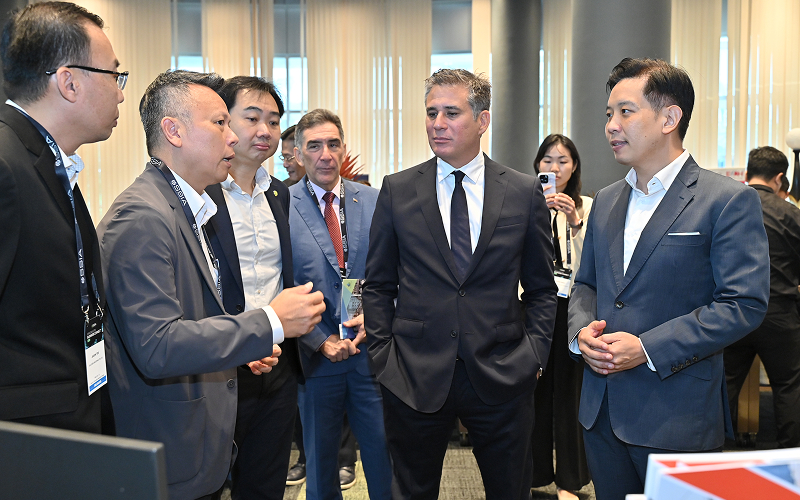
Sin Chew Woodpaq’s continued involvement in industry platforms reflects our commitment to building these relationships over the long term. In 2026, we sponsored SSIA Business Connect for the fifth consecutive year, maintaining regular connections with companies and stakeholders across the semiconductor ecosystem.
Our presence at SSIA Business Connect has similarly allowed these relationships to develop over time. Mr Alvin Tan, Minister of State for Trade and Industry, visited our booth for the third consecutive year, following earlier visits in 2024 and 2025. Continued engagement across such industry platforms strengthens our connection with the wider manufacturing and supply chain community.
Trust built through consistent industry participation can also support more open and effective collaboration. When customers, contractors and logistics partners are familiar with one another’s capabilities and ways of working, discussions can begin earlier, responsibilities can be clarified more easily and project teams can work together with greater confidence.
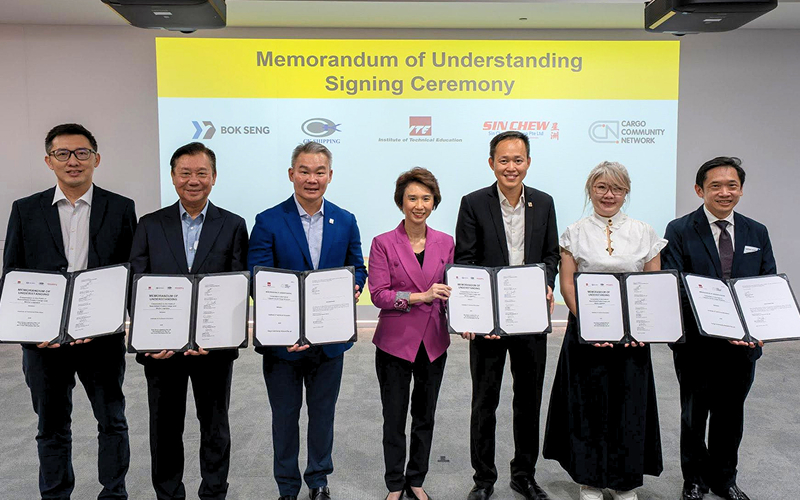
Our long-term industry involvement extends beyond the semiconductor sector. A three-year memorandum of understanding with the Institute of Technical Education supports closer collaboration between industry and technical education, officiated by Ms Low Yen Ling, Senior Minister of State for Trade and Industry.
while our membership in the Association of Aerospace Industries (Singapore) strengthens our connection with another industry where specialised handling and precise logistics coordination are critical.
These long-term relationships help create stronger channels for collaboration across the industries we serve, supporting smoother communication and more effective logistics execution when projects move from planning into operation.
4. Supporting Customers Requires More Than Transportation Alone
Across the different industry events we attended, one message came through consistently: customers look at the project as a whole, rather than focusing on just one part of the logistics process.
In a complex equipment move, small efficiencies at each stage can have a significant impact on the overall project. A packing method that considers the next transport stage, a warehouse schedule aligned with site readiness, or an equipment movement planned around access and installation requirements can help reduce unnecessary handling, waiting time and rework.
Many businesses need several activities to be managed together, particularly when moving sensitive machinery, coordinating facility upgrades or supporting production line changes. Packing decisions affect transport conditions. Warehousing arrangements need to match installation schedules. Machinery moving activities must be coordinated with site access, lifting requirements and project timelines.
Across trade exhibitions and networking events, visitors have consistently highlighted the need for these activities to be managed within one coordinated project logistics framework:
- Specialised industrial packing
- Machinery moving
- Engineered crating
- Warehousing solutions
- Transportation and project logistics
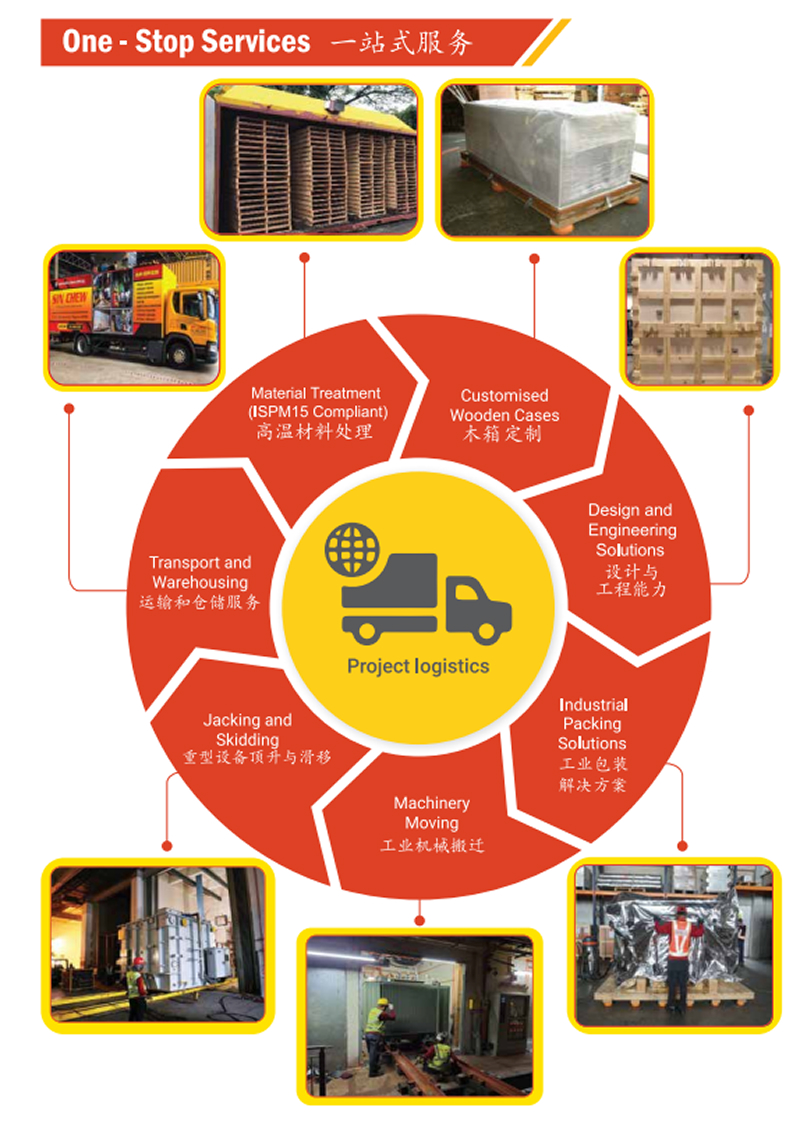
While each service may appear to be a separate part of the project, small decisions made at one stage can influence what happens next. Engineered crating and packing, for example, must consider the equipment’s weight distribution, sensitivity and transport conditions. Machinery moving may require specialised handling and precise positioning at both the collection and delivery sites. Warehousing may also be required when equipment arrives before the site or installation team is ready.
Managing these requirements through a coordinated approach helps reduce fragmented communication and handover risks between different project stages. It also allows packing, storage, transport and machinery moving plans to be developed around the same operational objectives, supporting stronger logistics efficiency across the project.
For customers, the value lies not simply in having access to multiple services. It lies in ensuring that each stage of the equipment movement supports the next, helping the overall project progress more smoothly.
Small improvements in planning, timing, communication and coordination may appear minor on their own, but together they can make a significant difference to the efficiency of a large and complex equipment move. In specialised logistics, moving big often starts by getting the small details right.
5. Bringing It Together: What Southeast Asia, Taiwan and Singapore Mean for Every Equipment Move
Handling semiconductor tools, precision systems and high-value industrial machinery requires more than technical capability. It requires an understanding of the environment in which the equipment operates.
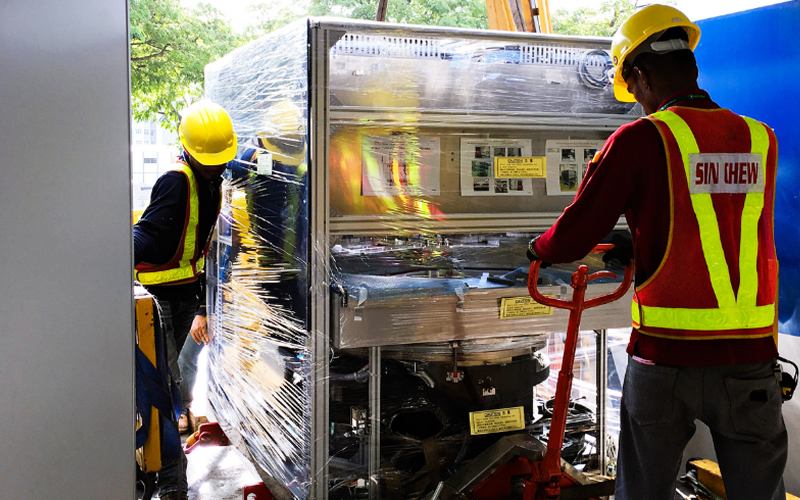
Every machine forms part of a wider production system. An equipment relocation project may need to account for shutdown windows, cleanroom requirements, installation sequencing, facility access, route limitations, lifting conditions and the availability of technical teams.
Rather than treating these as separate trips, we read them together. What we hear on the ground across Southeast Asia, what we see coming out of Taiwan’s technology ecosystem, and the policy and infrastructure context we pick up through our Singapore partnerships all feed into the same picture of how equipment needs to be handled.
This understanding shapes how we approach logistics planning for industrial equipment relocation projects.
For example, equipment linked to advanced computing or semiconductor production may require tighter vibration control, more robust moisture protection or carefully engineered packing. Machinery moving plans may need to account for restricted access, sensitive flooring or precise final positioning. Storage arrangements may also need to reflect environmental controls, installation readiness and production schedules.
By connecting these technical requirements with the operational context behind them, we can anticipate potential constraints earlier and develop logistics solutions that better reflect the equipment, facility and project environment.
Conclusion
Effective specialised logistics depends on more than moving equipment from one location to another. It requires an understanding of the industries, technologies and operating conditions surrounding each project.
Our involvement across Southeast Asia, Taiwan and Singapore — through SEMICON Southeast Asia, SSIA initiatives, overseas business missions and industry partnerships keeps us connected to these realities. The insights gained through these engagements help us refine our planning, anticipate changing requirements and improve logistics efficiency across the sectors we support.
If you are planning a machinery move, facility upgrade or industrial equipment relocation project, contact Sin Chew Woodpaq to discuss how our specialised packing, machinery moving, warehousing, transportation and project logistics capabilities can support your requirements.