Key Takeaways
- The JS-SEZ (Johor-Singapore Special Economic Zone) is actively reshaping how companies structure operations across Singapore and Johor, moving from isolated sites to integrated cross-border ecosystems. Sin Chew Woodpaq is at the forefront, designing logistics frameworks that connect production in Muar with strategic functions in Singapore.
- Rising investment in sectors such as advanced manufacturing, data centres, and semiconductors is driving sustained demand for specialised cross-border logistics. Sin Chew Woodpaq’s expertise in semiconductor cargo handling and machinery relocation positions it as a trusted enabler for these industries.
- The close physical proximity between Singapore and Johor enables faster, more predictable supply chains and reduces exposure to global disruptions, strengthening regional competitiveness. Sin Chew Woodpaq leverages this proximity through secure warehousing and regulated transport solutions that deliver speed and reliability.
- Effective logistics is critical to turning policy alignment and investment into operational reality. Sin Chew Woodpaq’s proven track record ensures factories, data centres, and industrial parks move from blueprint to commissioning without unnecessary disruption.
- Sin Chew Woodpaq plays a central role in enabling resilient regional supply chains as cross-border trade and industrial development continue to expand across Southeast Asia.
Introduction
The economic relationship between Singapore and Johor Bahru has moved well beyond long-term intent. It is now shaping how manufacturers, developers, and industrial operators plan their footprint across the border. As billions in new investments flow into the JS-SEZ (Johor-Singapore Special Economic Zone), the need for reliable and specialised cross-border logistics is growing just as quickly.
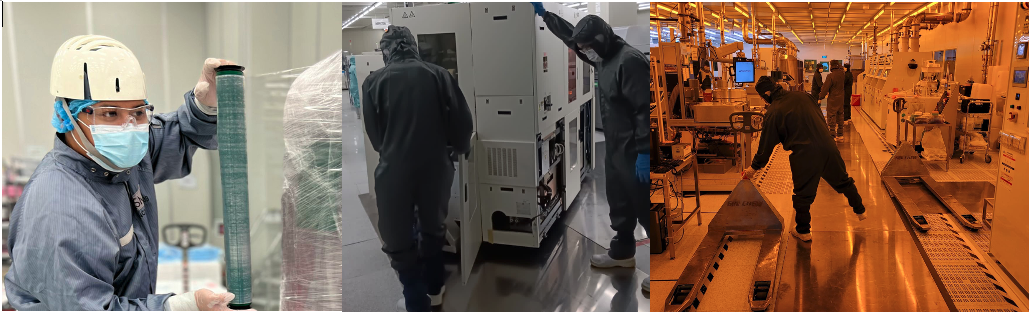
Sin Chew Woodpaq ensures logistics enters the conversation early, not late. For businesses working with fragile and high-value components, semiconductor logistics is often prioritised from the outset, because even a small delay or handling issue can disrupt commissioning schedules on both sides of the causeway.
For businesses expanding production into Johor while keeping strategic, technical, or management functions in Singapore, the movement of machinery, components, and sensitive equipment has become a key factor in operational success. Sin Chew Woodpaq, recognised as one of Singapore’s Fastest Growing Companies and Enterprise 50, is advancing alongside this shift as a practical enabler of resilient cross-border supply chains.
Growth of the JS-SEZ (Johor-Singapore Special Economic Zone)
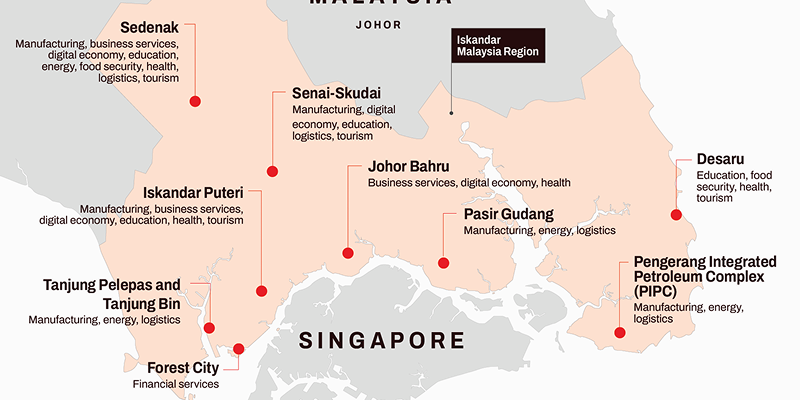
The JS SEZ covers 3,571 square kilometres and comprises nine flagship development areas, each focused on a distinct industrial purpose. These zones support activities such as advanced manufacturing, the digital economy, logistics, healthcare, energy, tourism, and education.
What distinguishes the JS-SEZ is the depth of coordination behind its development. Policy alignment, infrastructure planning, and investment facilitation are deliberately structured to ease movement and reduce operational friction. Sin Chew’s cross-border movements are managed with continuity, ensuring policy intent translates into day-to-day industrial activity.
Rising Investments Are Driving Industrial Demand
Since early 2024, Singapore-based companies have committed more than SGD 5.5 billion to projects in the JS-SEZ. Much of this investment has flowed into semiconductors, battery manufacturing, data centres, vertical farming, and other capital-intensive sectors where scale, speed, and reliability matter.
This trend reflects a clear dual location operating model. High-value functions such as research, design, and regional management remain rooted in Singapore, while land-intensive and production-focused activities expand into Johor. As a result, the movement of machinery, components, and materials between sites has become more frequent, more precise, and far more time sensitive.
Logistics is therefore entering the conversation much earlier than before. Industrial players are factoring it into site selection and ramp-up decisions, rather than treating it as a downstream requirement. Many developments within the JS-SEZ now depend on well-planned project logistics to coordinate equipment mobilisation, phased deliveries, and installation schedules across multiple contractors and locations.
In this environment, cross-border logistics is no longer a background function. Businesses benefit from Sin Chew’s well-coordinated structure that understands regulatory, customs, and operational nuances in both markets.
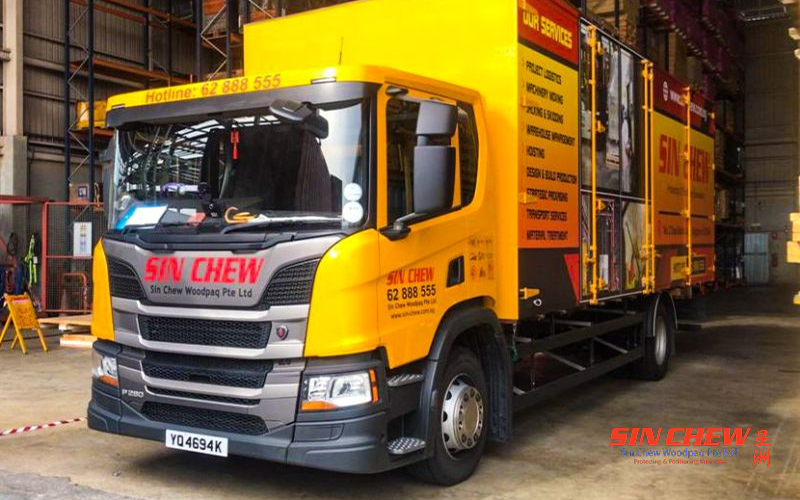
Cross-Border Supply Chains Are Becoming Faster and Smarter
With Singapore and Johor just minutes apart, businesses are reassessing how to design supply chains for speed, reliability, and control. Shorter transport distances reduce exposure to global shipping disruptions while allowing production, storage, and distribution to be coordinated more closely across both locations.
Sin Chew enables this shift through integrated regional logistics solutions built around industrial expansion. Capabilities such as machinery relocation, sensitive cargo handling, secure warehousing, and regulated cross-border transport deliver measurable advantages in responsiveness, predictability, and resilience.
Complementary Strengths Drive Deeper Integration
The strength of the SG-JB partnership comes from how clearly each side complements the other. Singapore continues to anchor capital access, technology development, and regulatory certainty. At the same time, Johor offers land availability, production scale, and operational flexibility.
Together, this balance supports job creation, skills development, and sustained industrial development in Southeast Asia. Sin Chew Woodpaq forms that connective layer, ensuring industrial assets transition smoothly across borders while meeting compliance and safety requirements.
Regional Growth with ASEAN-Wide Implications
The influence of the JS-SEZ reaches well beyond two neighbouring regions. It strengthens supply chain resilience across ASEAN, reduces dependence on distant production centres, and allows businesses to respond more quickly to shifting market conditions.
Sin Chew extends this resilience across the borders, supporting projects in manufacturing, energy, and industrial utilities. From oversized cargo in oil and gas to precision semiconductor equipment, both providers ensure compliance, control, and continuity.
In this next phase of integration, cross-border logistics does more than support economic activity. It plays an active role in shaping how the JS-SEZ delivers connected, resilient, and future-ready supply chains across the region.