Key Takeaways
- Many costly logistical issues originate from avoidable packing oversights such as inadequate support, poor moisture protection, insufficient cushioning, and improper handling practices.
- Damage during transit can cause installation delays, unplanned repair costs, operational disruptions, and extended project timelines.
- Effective equipment protection requires careful planning that considers factors such as weight distribution, environmental exposure, vibration forces, and handling requirements.
- A tailored packing strategy helps minimise transportation risks and supports the safe delivery of high-value industrial equipment.
Introduction
A multi-million-dollar machine arrives at its destination on schedule. Everything appears to be in order until the crate is opened. A panel is cracked. Internal components have shifted. Moisture has seeped into sensitive systems. What should have been a routine delivery has now become a costly setback.
In industrial logistics, it often takes just one packing mistake to create significant consequences. Equipment damage can trigger project delays, unplanned repair costs, installation issues, and operational disruptions.
That is why proper packing is far more than a transportation requirement. It is a critical safeguard against damage, delays, and other logistical issues. At Sin Chew Woodpaq, we help businesses protect valuable machinery throughout transit by anticipating risks before equipment leaves the site.
Here are some of the most common packing-related risks we encounter and the measures we take to prevent them.
Improper Load Support Can Result in Structural Damage
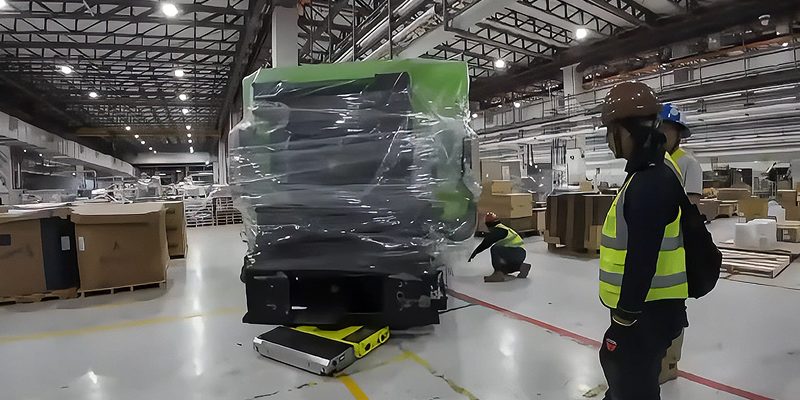
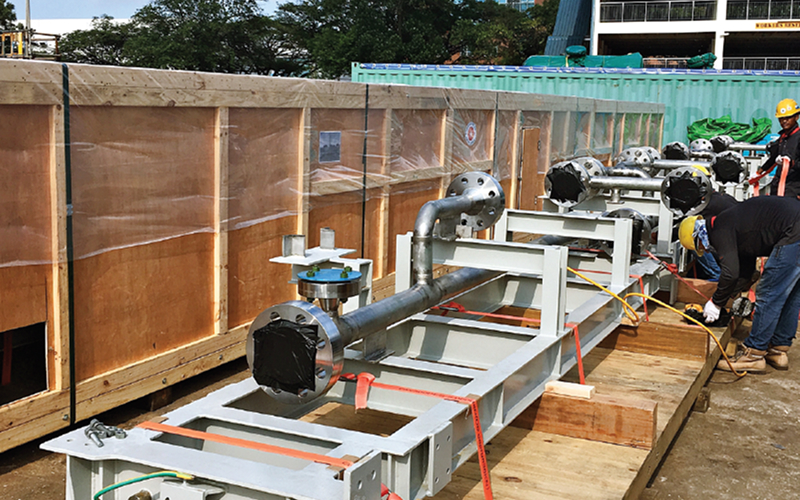
One of the most common packing-related risks arises when machinery is not adequately supported before transportation.
Throughout lifting, handling, and transit, equipment is exposed to forces that can cause movement if it is not properly secured. When weight distribution is not carefully considered, stress may be transferred to components that were never designed to bear the load. Even minor shifts can result in warped frames, cracked panels, damaged supports, or misaligned assemblies.
To mitigate these risks, each machine’s weight distribution, support requirements, and centre-of-gravity characteristics are assessed before packing begins. Appropriate structural supports and bracing systems are then positioned to transfer loads through designated load-bearing points rather than vulnerable components. This helps maintain stability throughout machinery transport and prevents the risk of structural damage during handling and transit.
Moisture Exposure Can Compromise Equipment Integrity
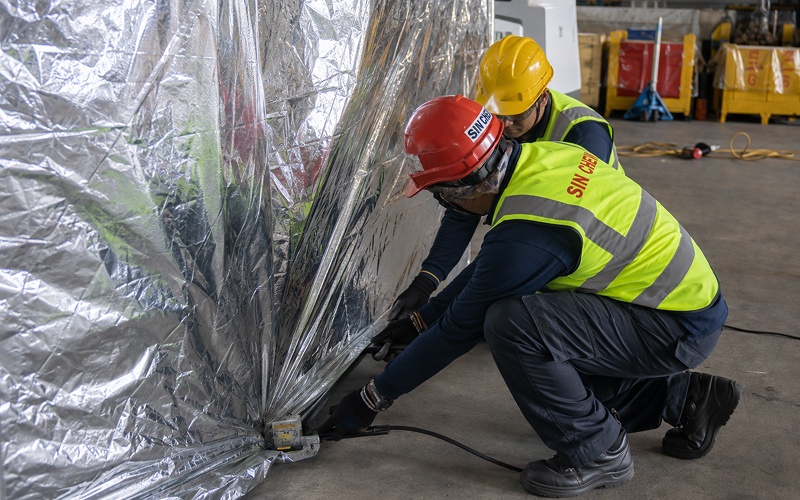
Moisture exposure can cause equipment damage that creates significant logistical issues, particularly for machinery containing electrical systems, precision instruments, and other sensitive components. Condensation, humidity, and environmental exposure during storage or transit can contribute to corrosion, component degradation, and compromised equipment reliability.
One of the biggest challenges is that moisture-related damage often remains undetected until commissioning or operation begins. By that stage, businesses may already be facing installation delays, troubleshooting requirements, and costly repairs.
The appropriate level of moisture protection depends on factors such as storage duration, transport mode, destination environment, and equipment sensitivity. Depending on these requirements, protective measures may include moisture barriers, sealed packaging systems, desiccants, and other forms of machinery transport protection designed to ensure equipment integrity throughout the journey.
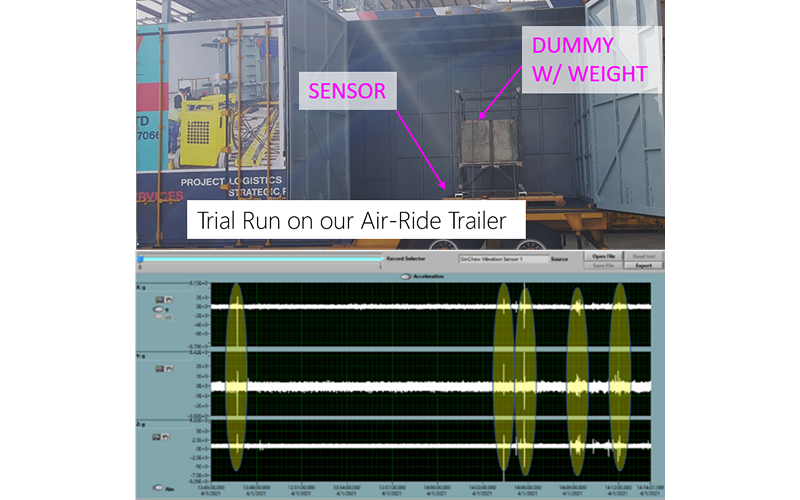
Inadequate Vibration Protection Can Damage Critical Components
Industrial equipment is exposed to repeated vibration throughout transportation. Road conditions, lifting operations, and cargo handling activities often generate forces that place stress on machinery during transit.
Without adequate cushioning and restraint systems, these vibrations may loosen fasteners, affect alignment, and damage critical components. For high-value or precision equipment, even minor internal movement can cause performance issues, equipment damage, or unexpected delays during installation and commissioning.
The level of vibration protection required depends on factors such as equipment sensitivity, component configuration, transport method, and journey duration. Appropriate cushioning, blocking, and bracing systems help limit movement within the packaging and reduce the transfer of vibration to critical components. These measures form an important part of our cargo damage prevention approach, helping to protect critical components and support the safe handling of sensitive equipment throughout the logistics process.
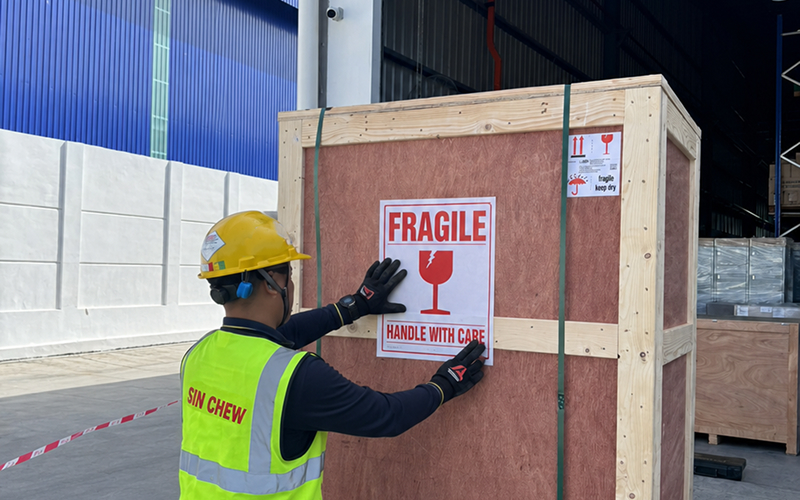
Poor Labelling Increases the Risk of Mishandling
Even when equipment is packed correctly, damage may still happen if handling requirements are not communicated clearly.
Improper lifting techniques, incorrect storage orientation, and mishandling during loading or unloading are common causes of preventable damage. In many cases, these incidents result from missing, unclear, or inadequate handling instructions, leading to avoidable logistical issues and costly disruptions.
To mitigate these risks, clear handling labels and visual indicators are incorporated into the packing process. Depending on the equipment and transportation requirements, this may include orientation markings, lifting point identification, centre-of-gravity indicators, and other handling instructions designed to guide personnel throughout transportation, storage, and installation activities.
Clear handling instructions help ensure that equipment is lifted, stored, and transported as intended. By communicating critical information such as lifting points, orientation requirements, and centre-of-gravity locations, handling personnel follow equipment-specific requirements more accurately throughout logistics operations.
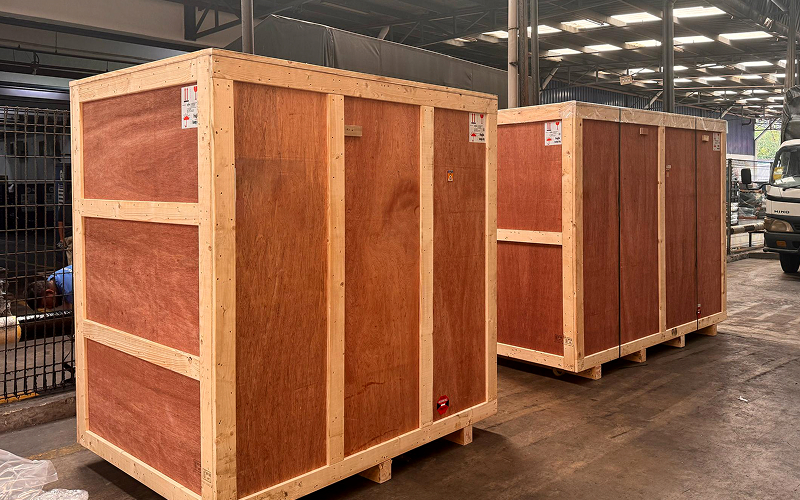
Effective Equipment Protection Requires a Tailored Packing Strategy
No two pieces of industrial equipment present exactly the same transportation challenges.
Factors such as size, weight, fragility, structural complexity, and equipment sensitivity all influence the level of protection required during transit. As a result, a one-size-fits-all approach is never sufficient. Applying generic packing methods increases the risk of damage and creates avoidable logistical issues throughout the transportation process.
Effective equipment protection requires more than selecting packing materials. Considerations such as lifting methods, storage duration, transport routes, environmental exposure, and installation requirements all influence how equipment should be packed and secured.
These factors are evaluated before suitable industrial packaging solutions are developed. From custom crating and structural reinforcement to specialised machinery packing techniques and protective barriers, every measure is selected to address the specific risks associated with the equipment and its transport conditions.
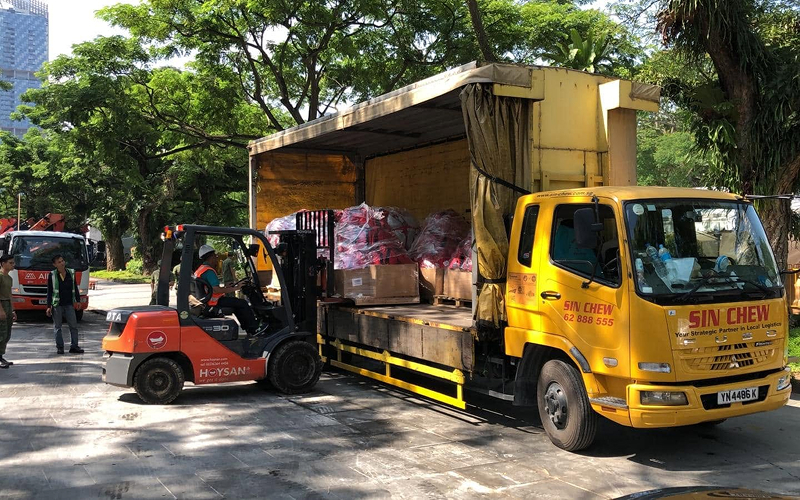
Reducing Logistical Risks Through Proper Packing Planning
Many transportation-related problems originate from decisions made before equipment ever leaves the site. Structural damage, moisture intrusion, vibration-related failures, and handling incidents often stem from inadequate preparation rather than the transport process itself.
At Sin Chew Woodpaq, we focus on identifying these risks early and implementing packing solutions that address the specific requirements of each project. By combining technical expertise with practical logistics considerations, we help businesses protect valuable equipment, reduce transportation-related risks, and keep projects moving according to schedule.
Contact Sin Chew Woodpaq today to discuss your equipment specifications, transport requirements, and project conditions, so that appropriate packing measures are integrated from the outset.